
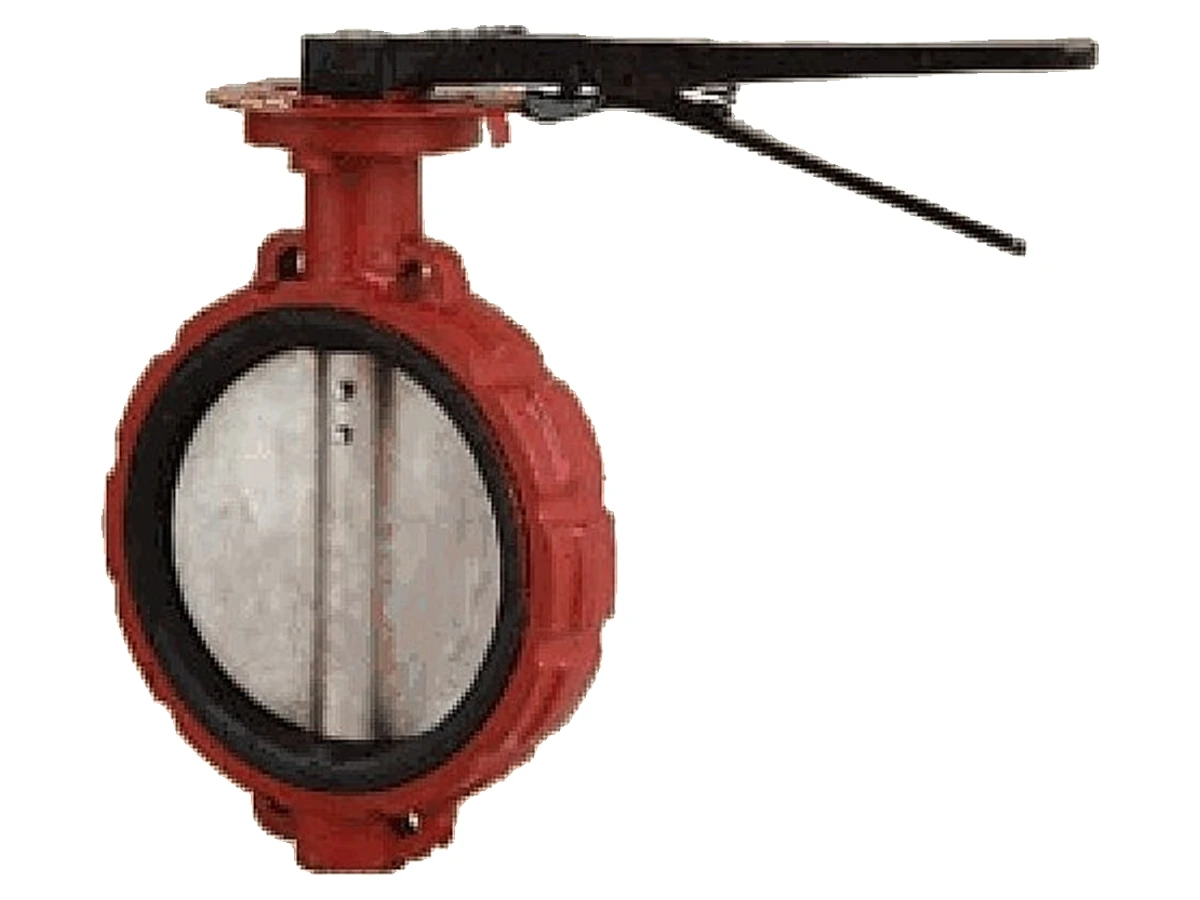
Marine Center-Pivoted Handle Manual Butterfly Valve (GB/T3036-94A)
GB/T 3036-94A
DN50-150 1.0 MPa
Compact flow control for general marine service. Confirm seat material, actuation, size and pressure rating by application.
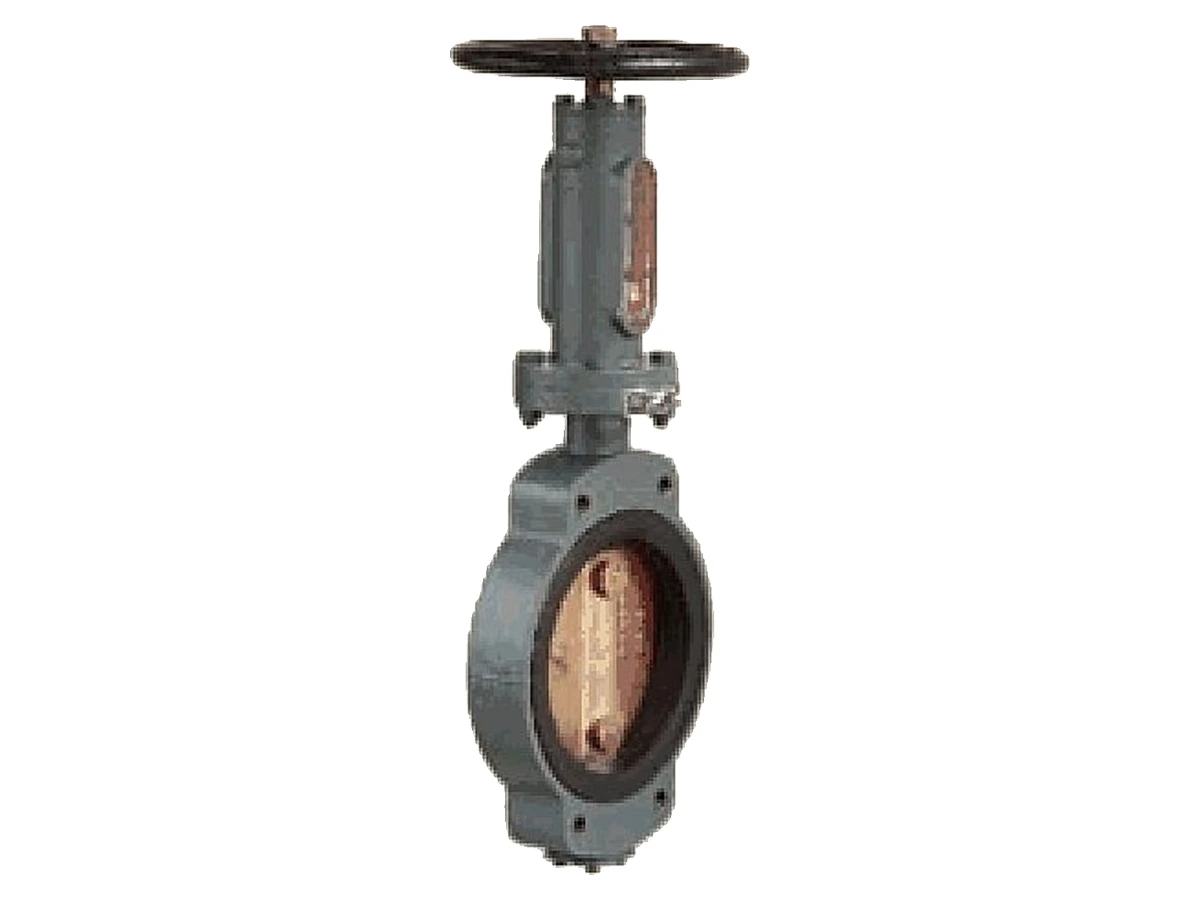
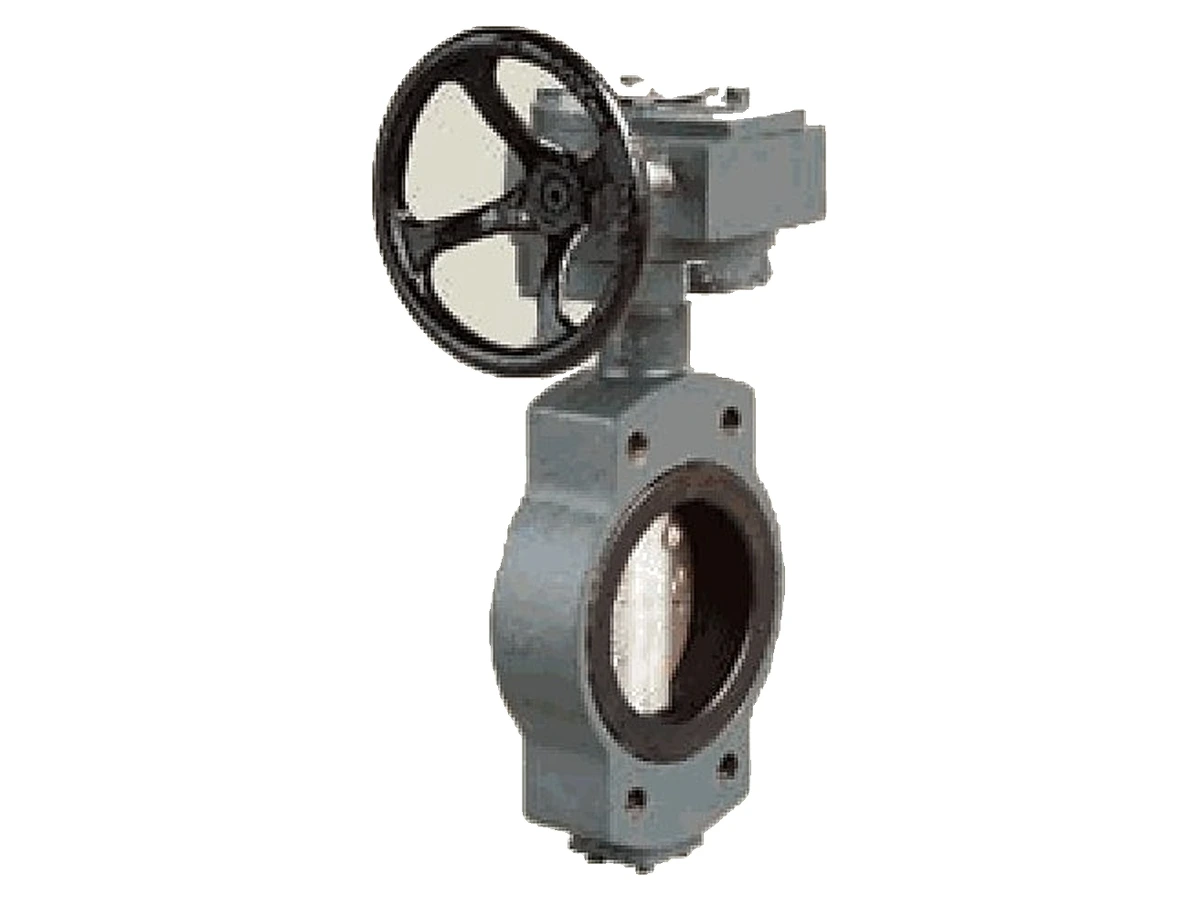
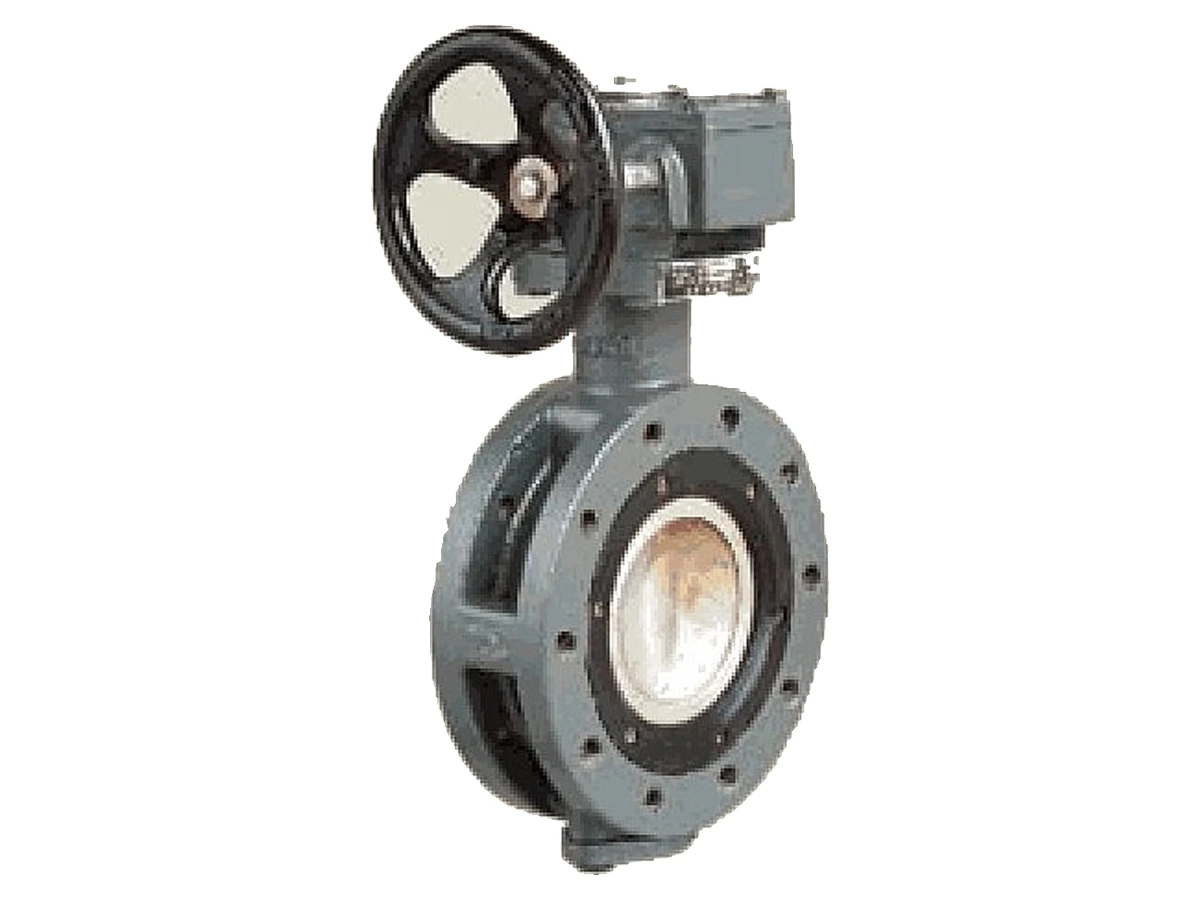
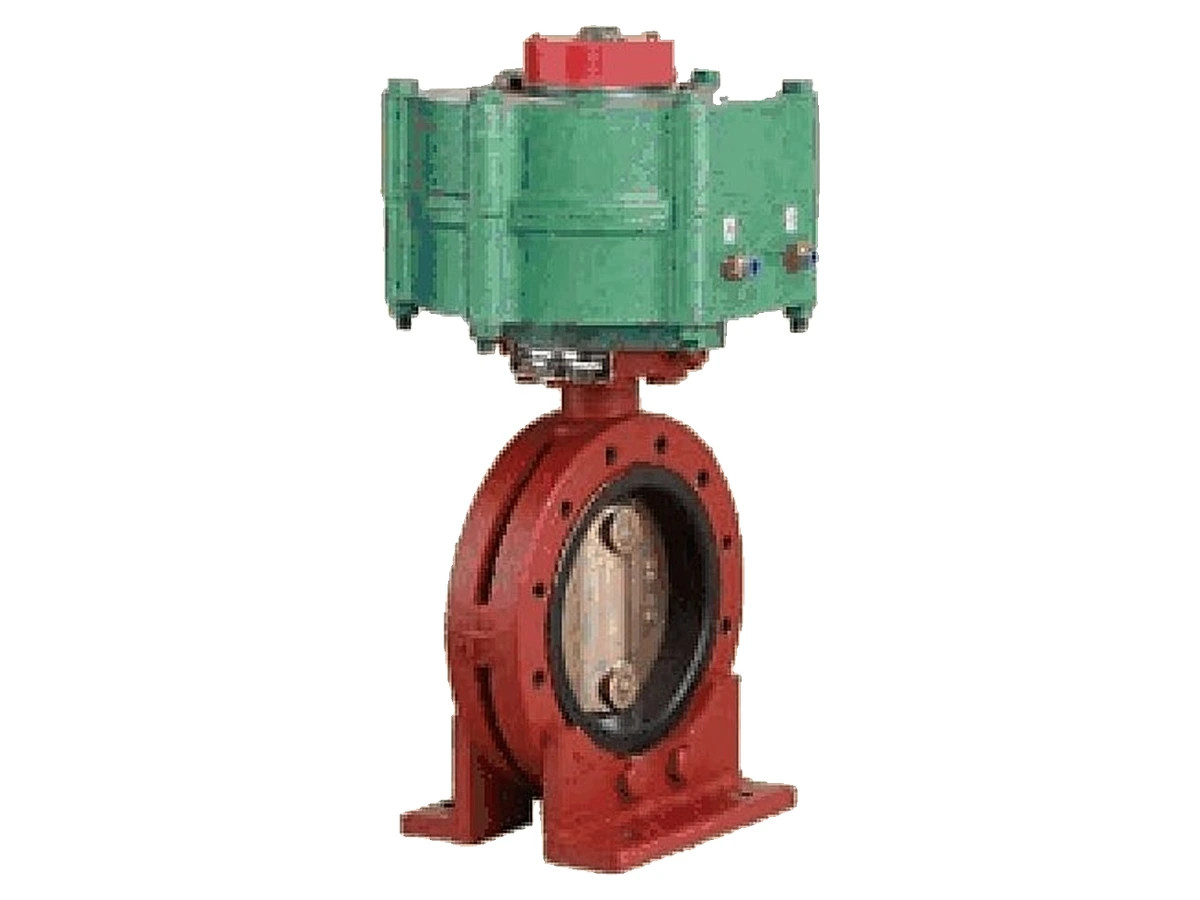
Duo-eccentric designs for improved seating performance and service life. Confirm seat material, media temperature and actuation requirements.
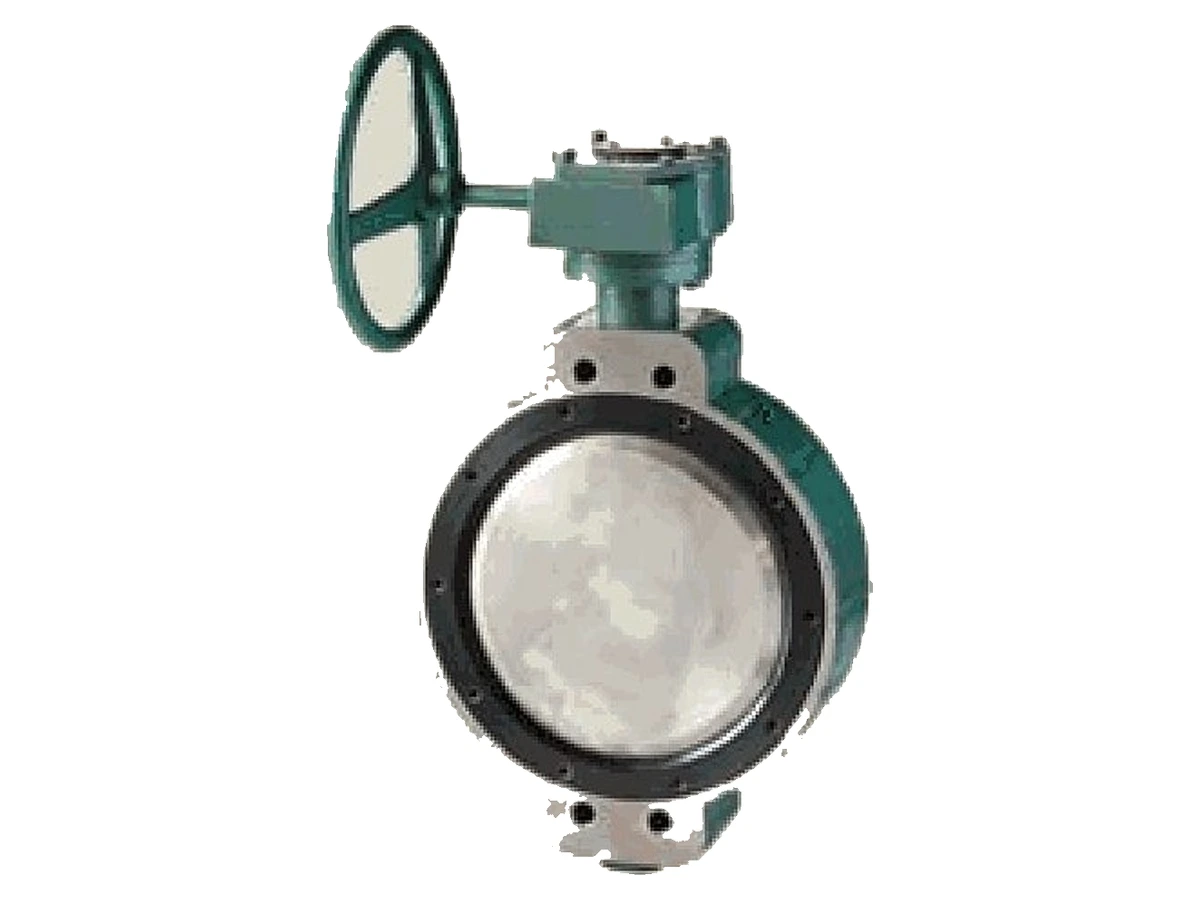
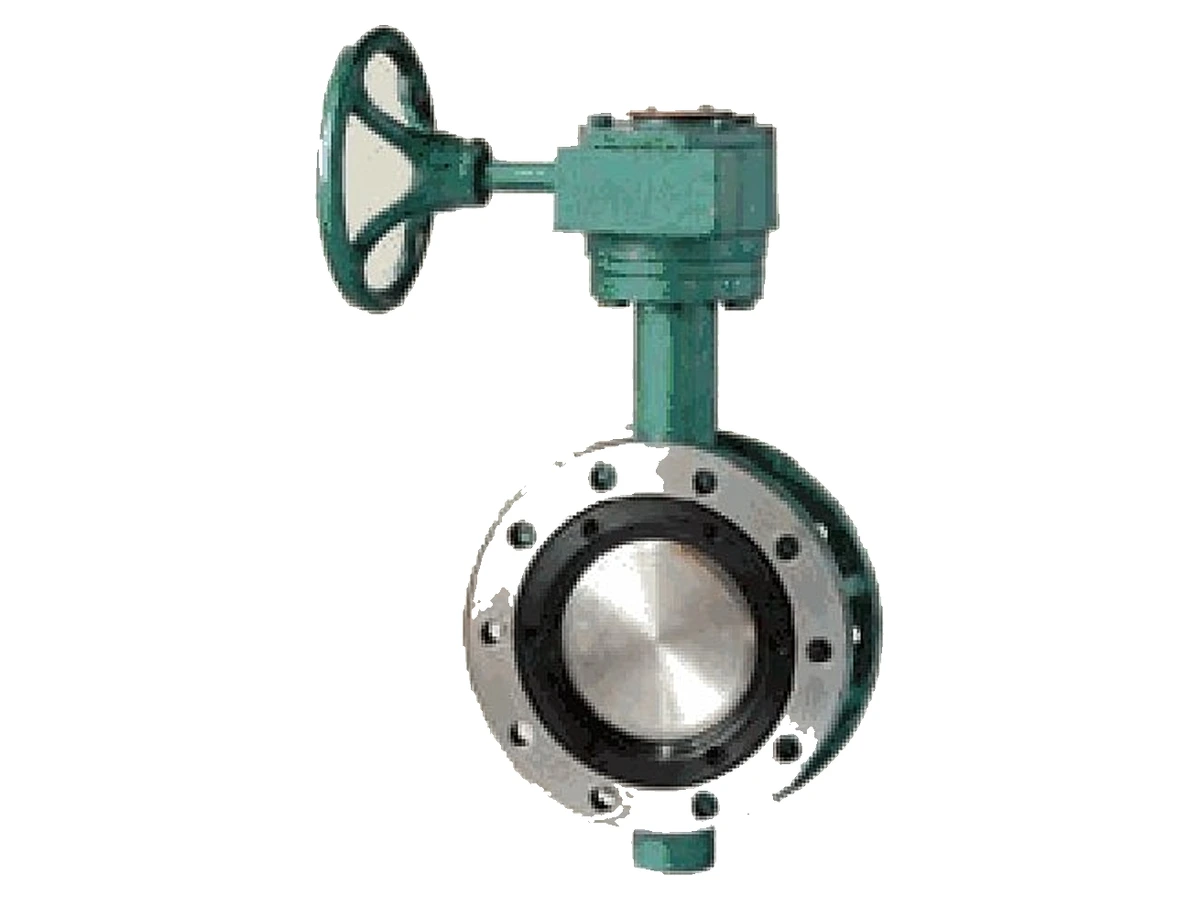
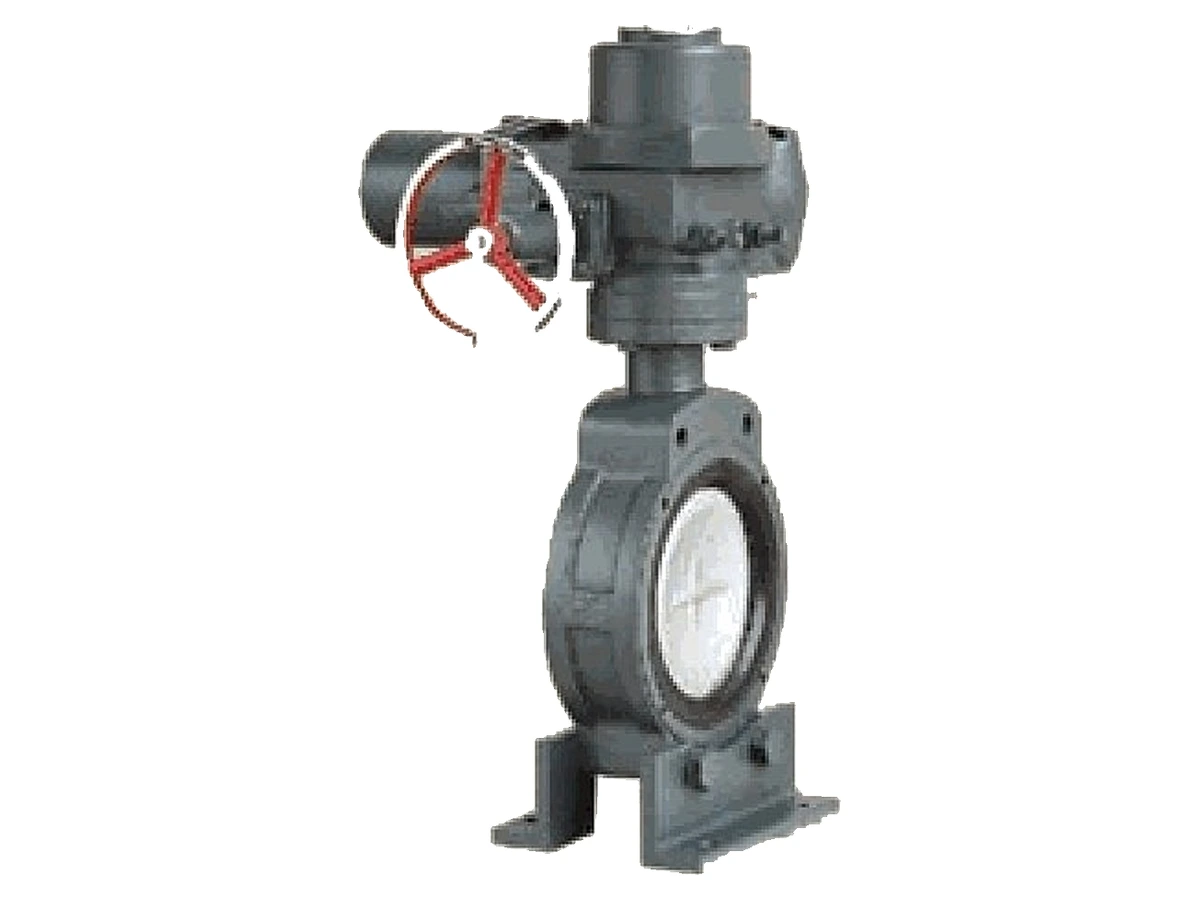
This category covers center-line and duo-eccentric butterfly valves with manual, pneumatic and hydraulic variants. Seat material, bore, disc material, actuator duty and flange compatibility are confirmed before quotation.
Before RFQ, confirm standard scope, pressure ratings, flange dimensions, and certificate requirements.
In the current catalog, A is a handle-operated DN50-150 valve, B is screw-operated DN50-500, C is worm-operated DN50-125, Fc is flanged worm-operated DN100-250, and Q is pneumatic DN50-400; all are listed at 1.0 MPa. Seat and disc materials, connection details, actuator scope, tests and documents are still confirmed by RFQ.
Send the exact JIS F7480 reference, size and pressure class, body, disc and seat materials, wafer or flange details, actuator requirements, test standard, quantity, required date and certificate scope. GB/T 3036 or another butterfly valve is not treated as an automatic substitution option.
Center-line designs are common for general service, while duo-eccentric designs may be used where seating performance, pressure class or service conditions require them. Selection follows standard, medium, temperature, cycle duty and certificate scope.
Include the valve standard and size, pressure rating, body, disc and seat materials, actuator type, control signal, fail-safe action, flow condition, torque basis, certificate requirement, quantity and delivery schedule.
No. The pressure-temperature basis, size, materials, seat temperature limit, flange dimensions, test standard and certificate scope must be checked; the numbers alone are not enough.