
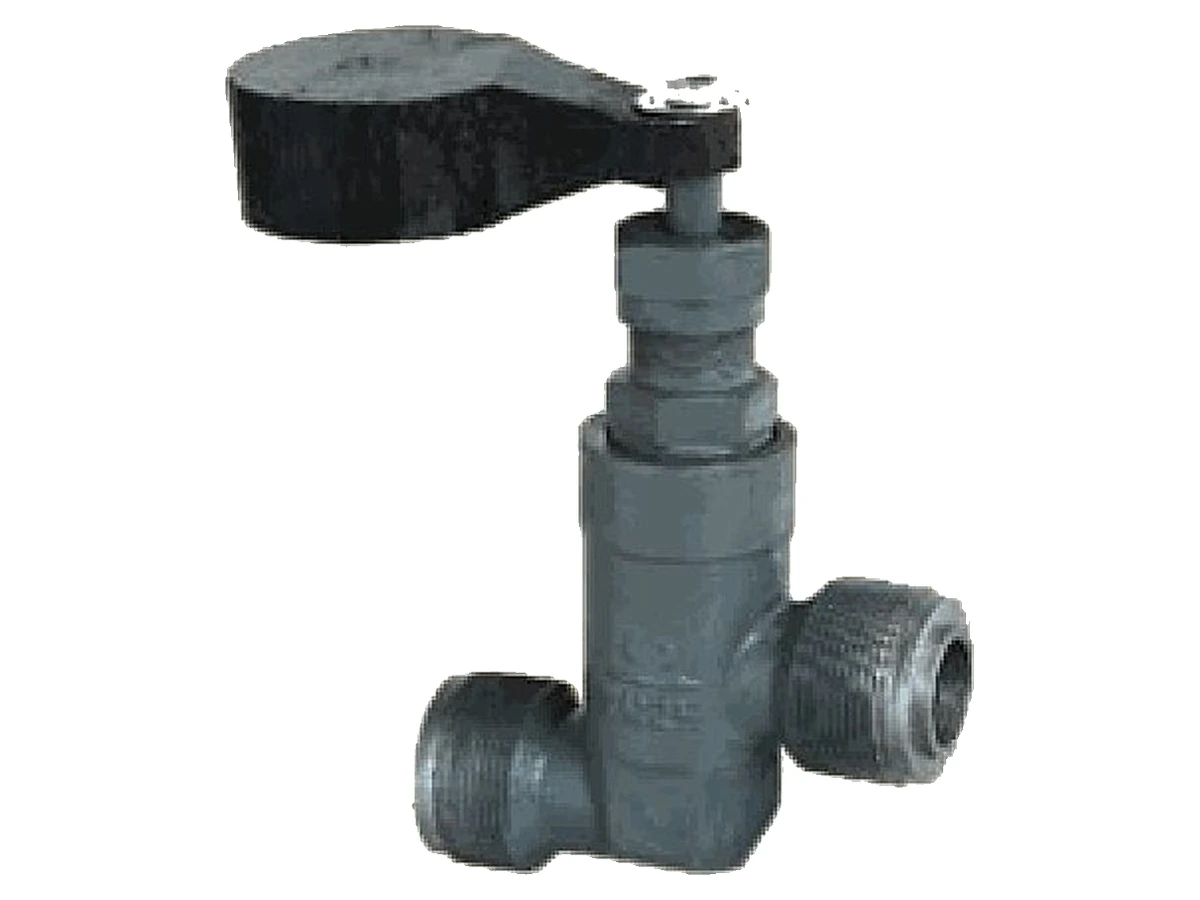
Remote or local emergency shutoff for fuel and other shipboard systems. Confirm actuation method, pipe size and closing requirement.
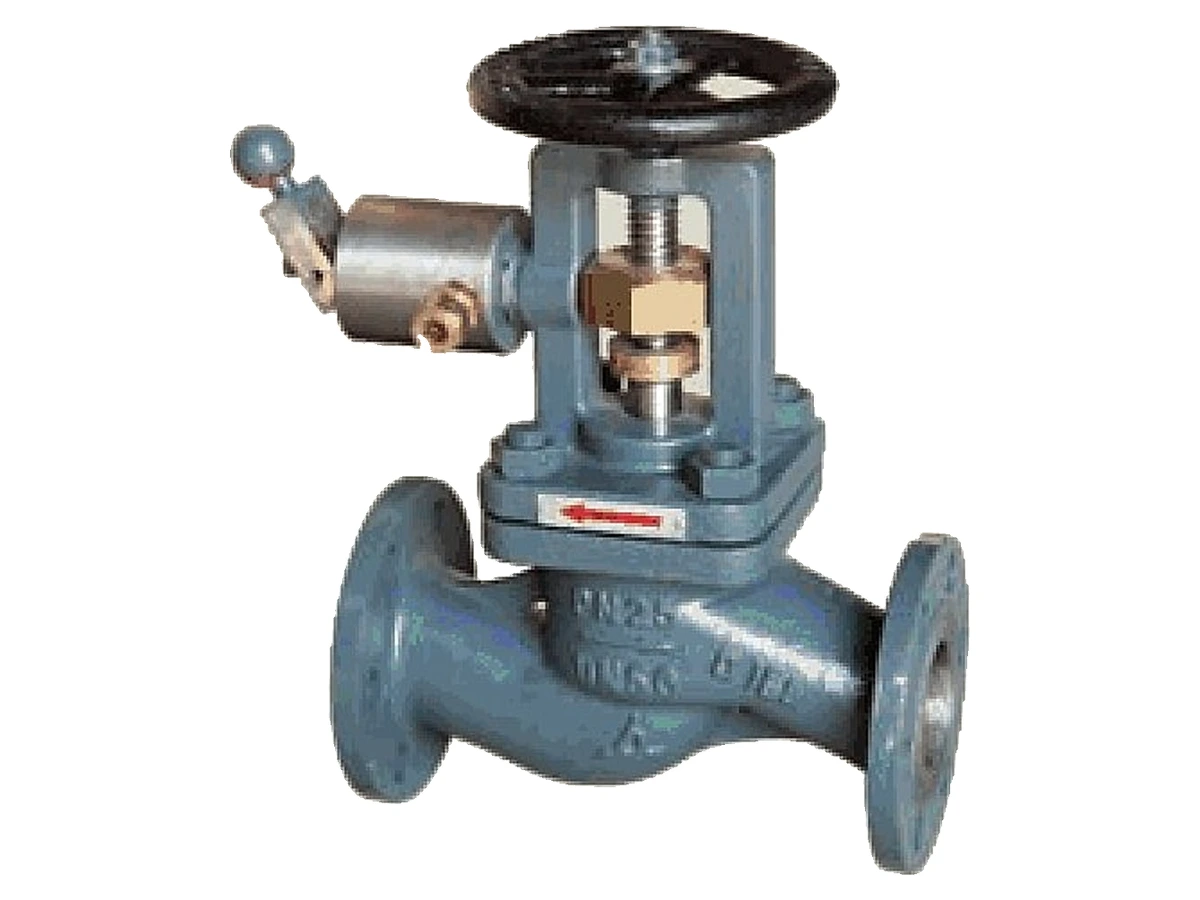
Sea-water intake isolation for ballast, cooling and fire systems. Confirm size, pressure rating, material and connection standard.
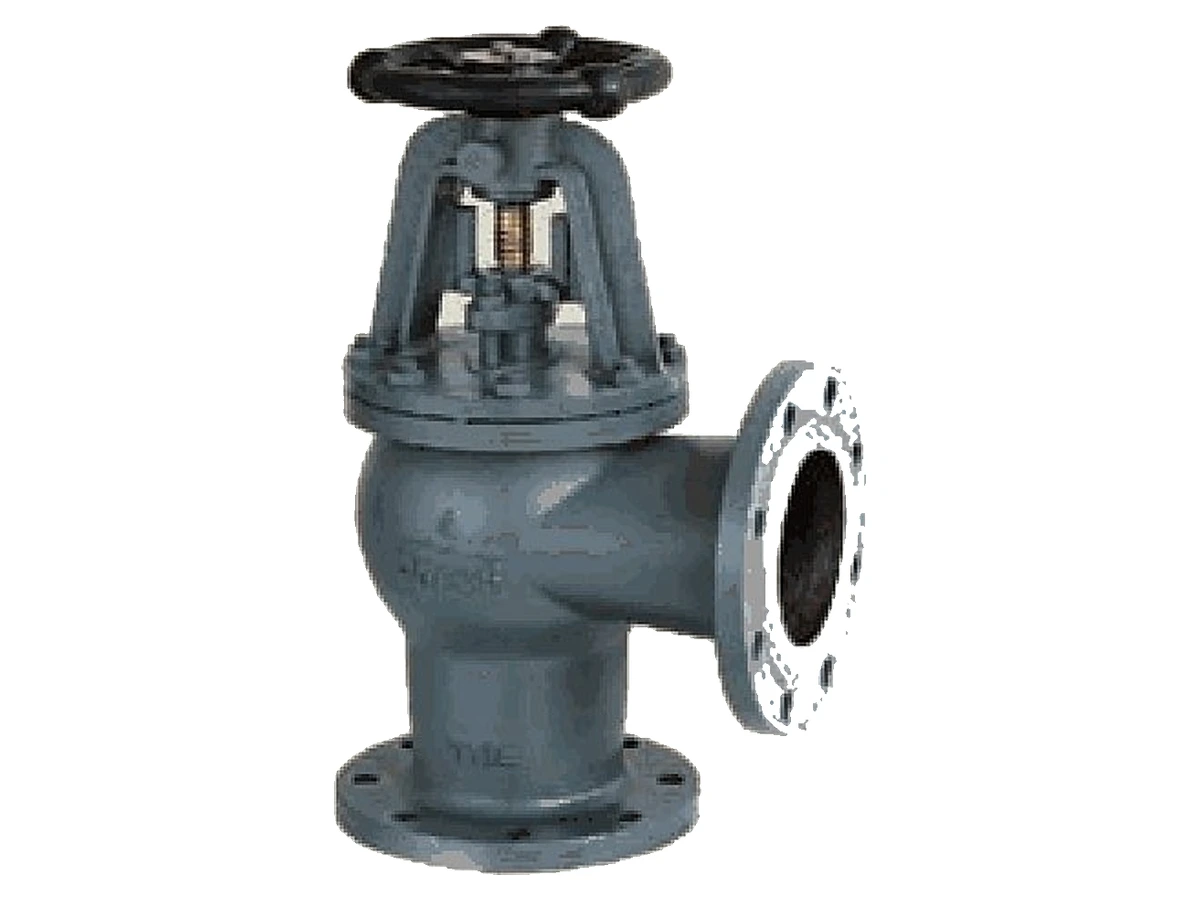
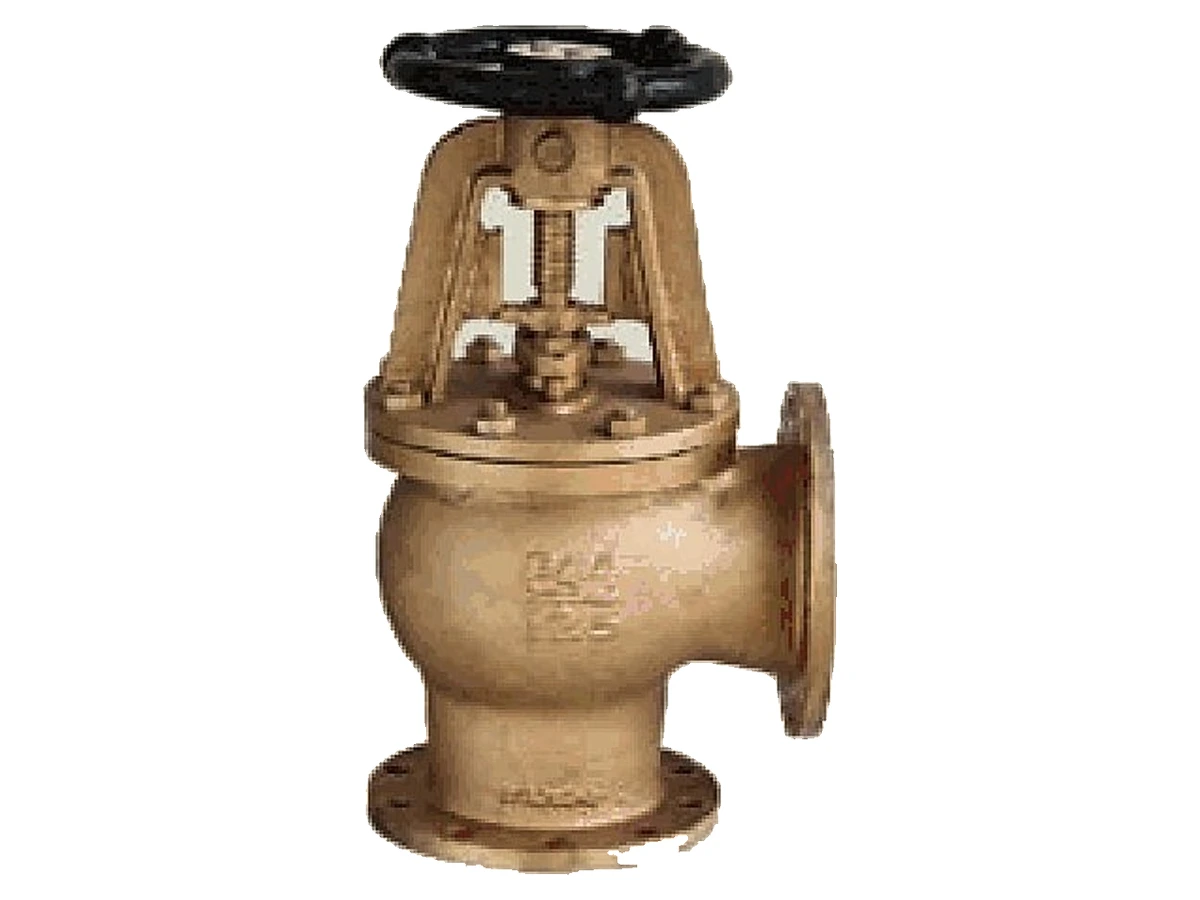
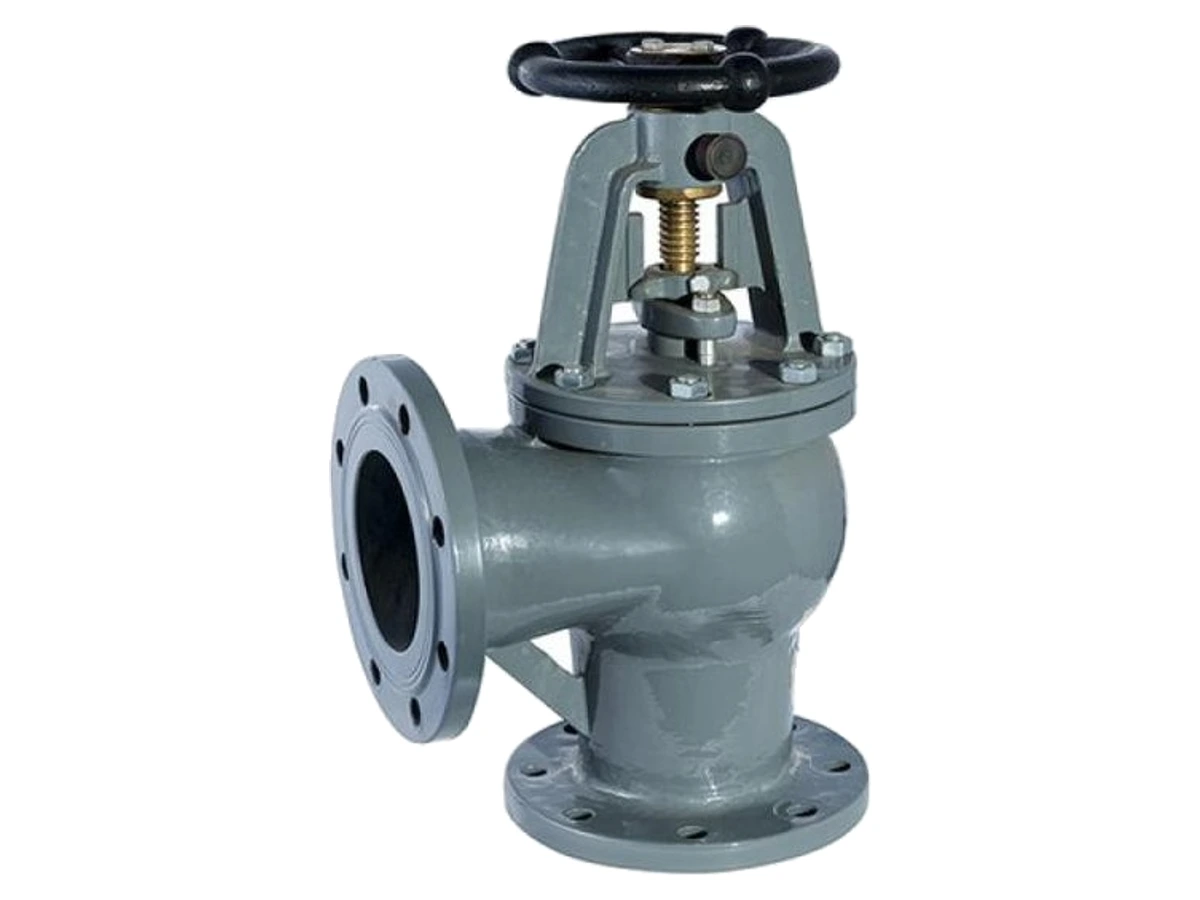
Fire-main isolation and hose connection equipment. Confirm size, pressure rating, interface standard and certificate requirement.


Drain and vent duties for tanks, machinery spaces and piping. Confirm size, connection type and service media.
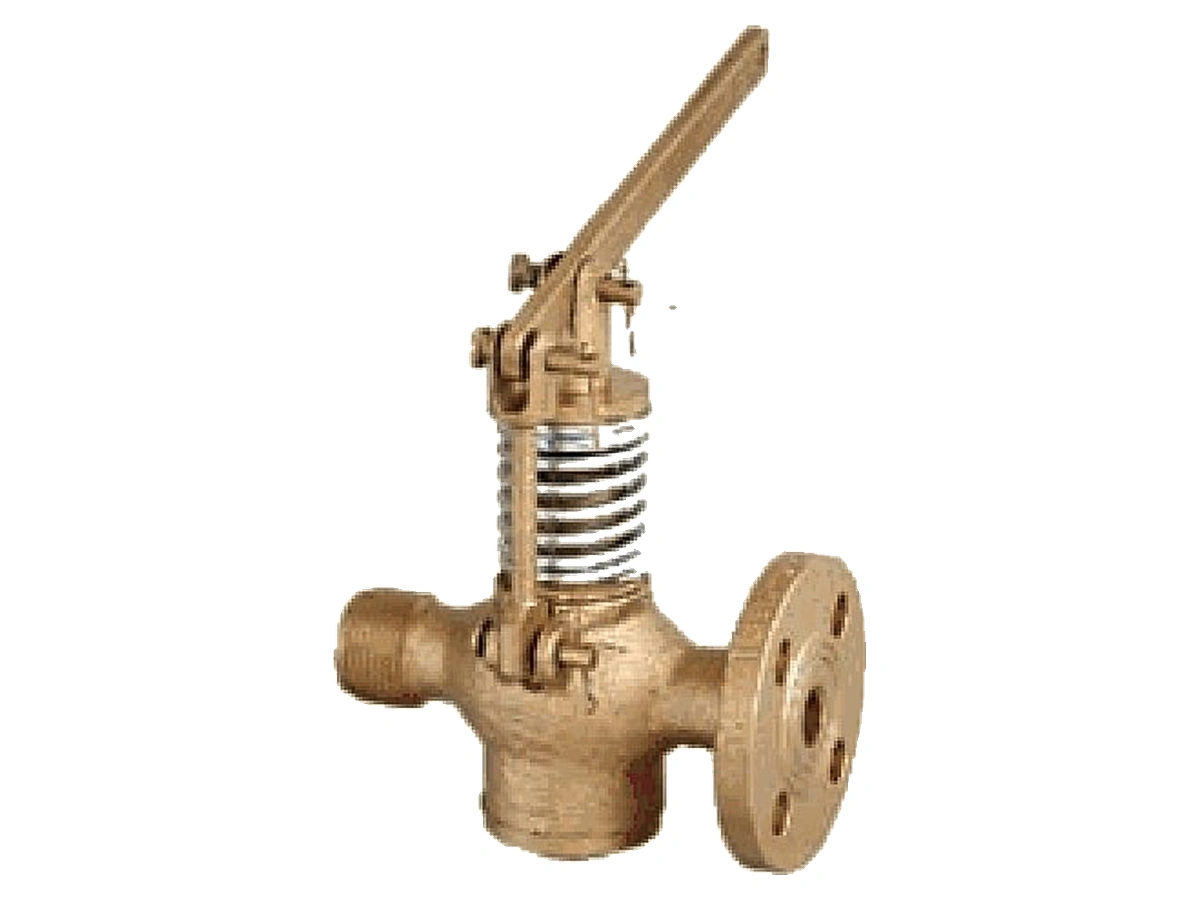


Deck and scupper drainage with seawater backflow prevention. Confirm size, installation position and discharge arrangement.

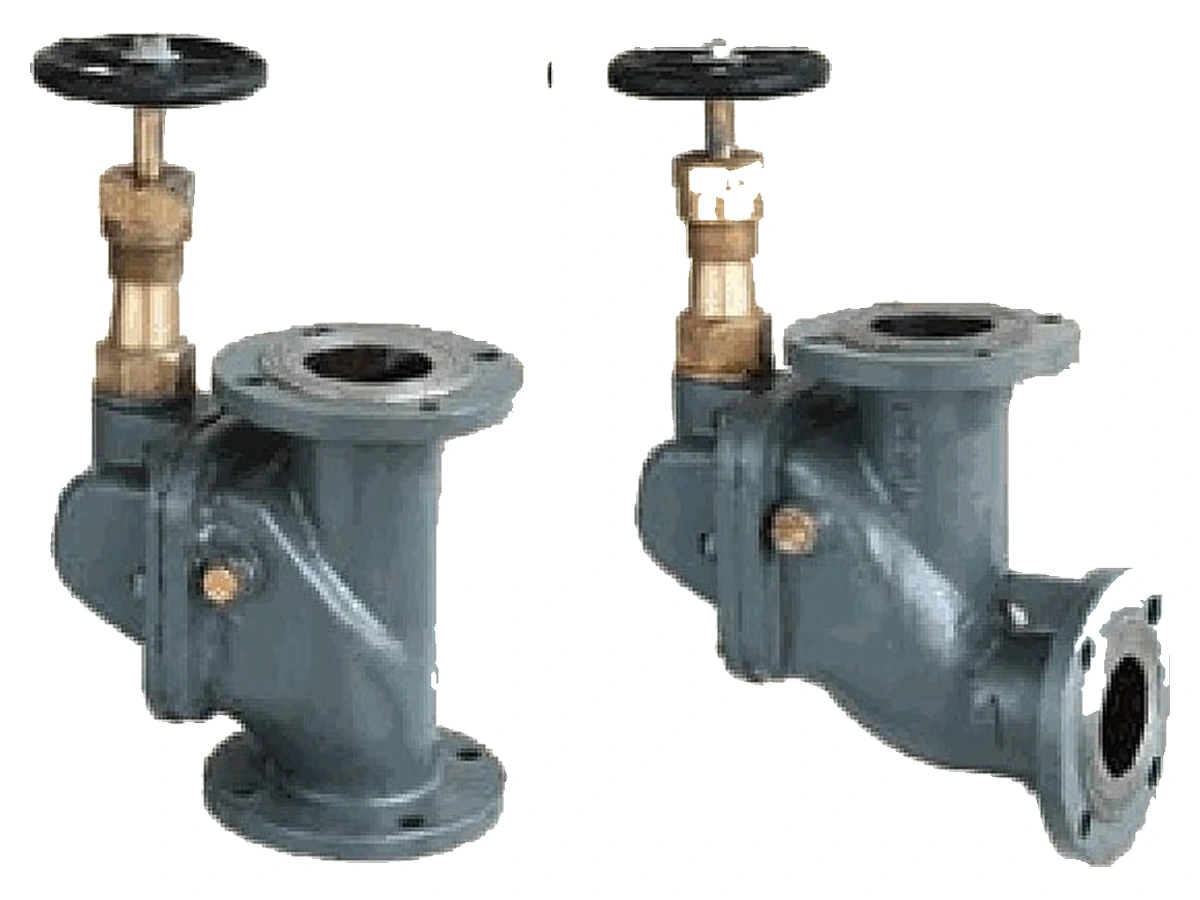
Overboard discharge isolation with hull-connection requirements. Confirm size, material, pressure rating and hull connection detail.
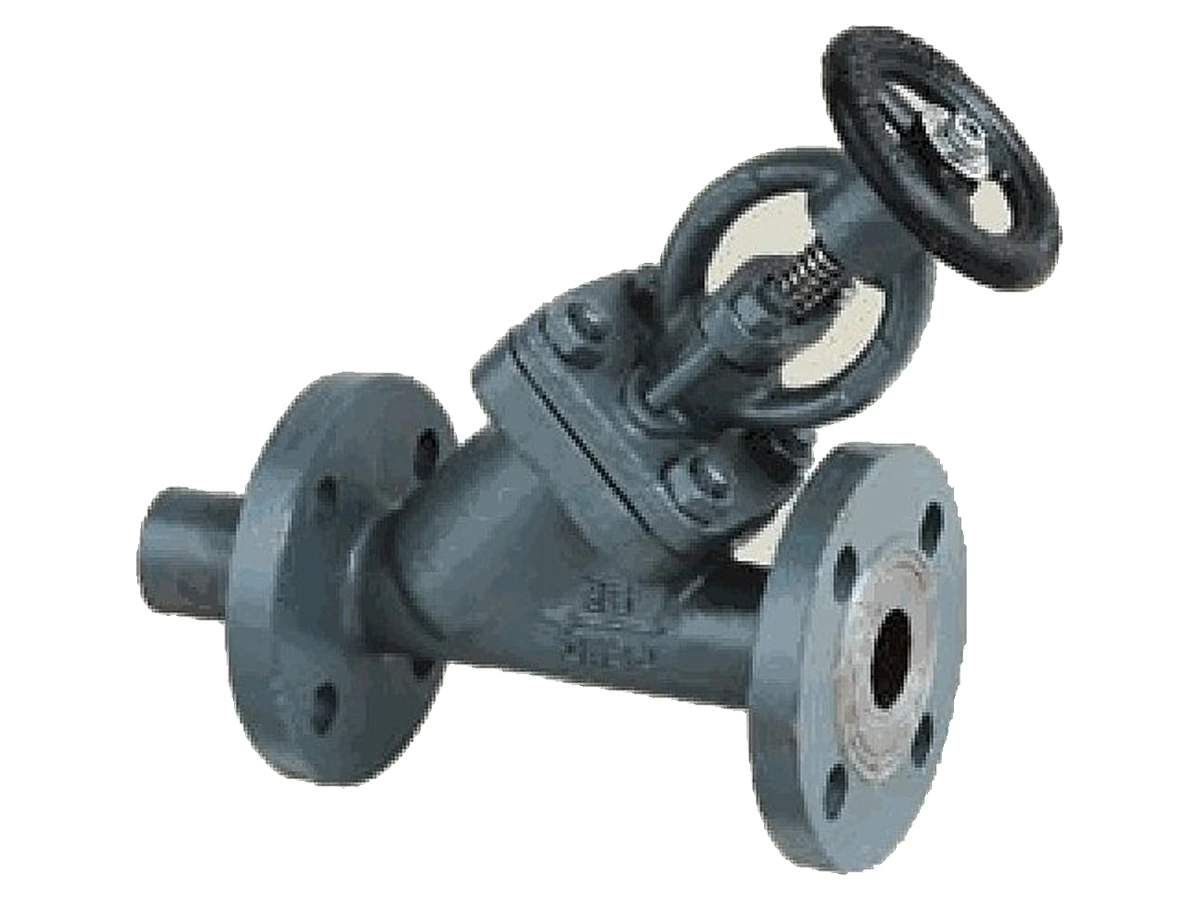
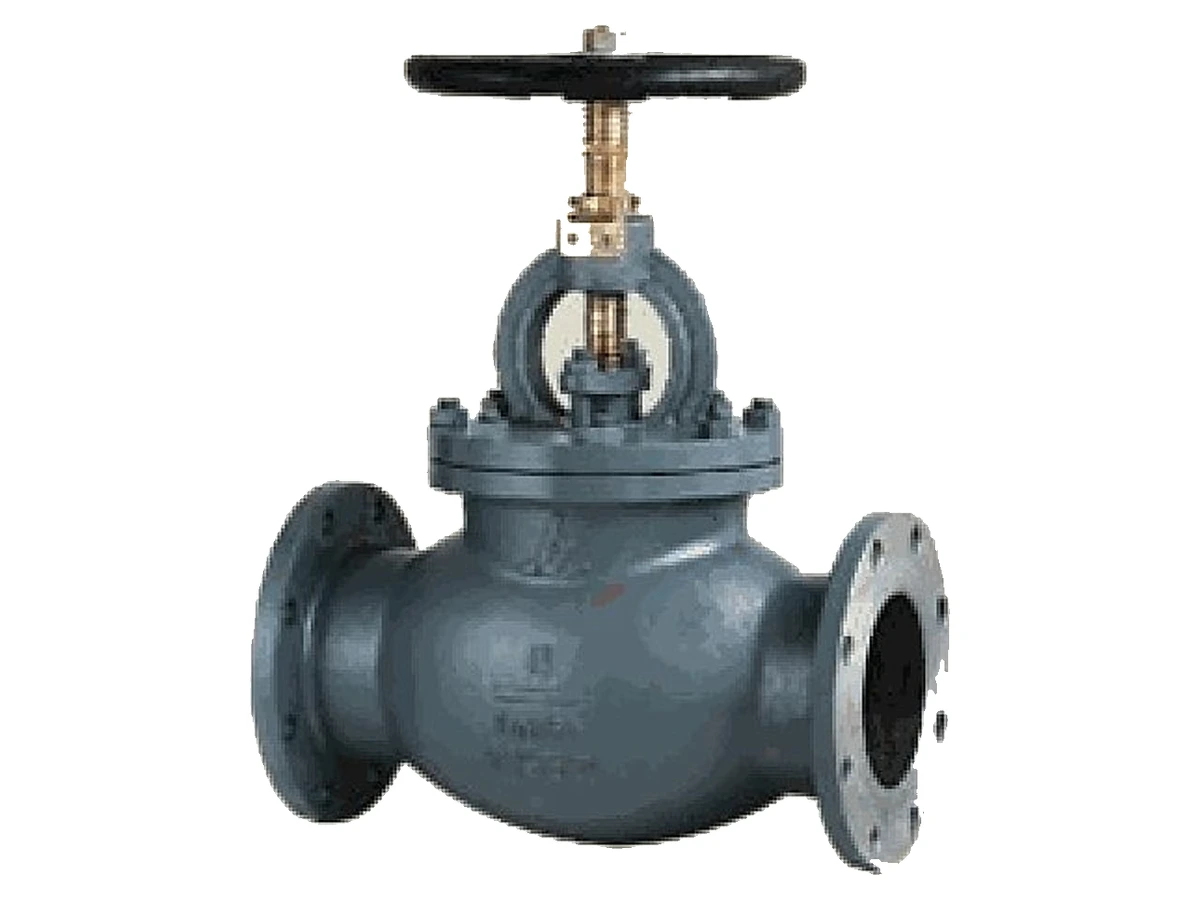
Hose isolation and connection points for shipboard transfer duties. Confirm hose interface, size, pressure rating and media.

Compressed-air and venting isolation duties. Confirm pressure rating, size, connection type and operating requirement.
This category covers quick-closing, sea-suction, fire, drain, storm, overboard, hose and air valves for dedicated shipboard duties. Function, installation location, system pressure and certificate scope drive model confirmation.
Before RFQ, confirm standard scope, certificate and inspection requirements, IMPA-code data, and connection dimensions.
Many specialty valves serve a dedicated pipeline duty, installation position or safety function. Incorrect substitution can affect drainage, fire protection, air operation or overboard discharge performance.
Include the shipboard duty, standard or model, size, pressure rating, materials, connection, installation orientation, operation requirement, quantity, certificate scope and target delivery date.
Yes. Stock checks, production scheduling, partial shipment and phased delivery can be reviewed for repair and spares orders once the technical boundary is confirmed.
Review the actual medium - such as seawater, freshwater, fuel oil, lubricating oil, air, steam or wastewater - together with operating temperature, pressure basis, flow, installation orientation and operation frequency. Body, seat, seal and gasket materials are then checked against the model's pressure-temperature boundary and certificate scope.